Companies that know how to keep people engaged for the long run are the ones retaining their employees in 2026. The talent competition is getting intense enough to make even seasoned HR teams pause. You want people who show up, deliver, and stay for the long run with your employee retention strategies.
Knowing what convinces employees to stay and what pushes them away helps you build a better workplace. Offering them growth, trust, and support makes your team feel seen. In this blog post, we discuss the top 5 employee retention strategies that will keep your best talent onboard in 2026.
What is Employee Retention & Why It Matters
People love to talk about hiring, but keeping great people is the real art. It’s what turns a team into a powerhouse and a business into a brand people trust. That’s why the smartest companies are shifting their focus toward the art of holding onto talent before they even think about adding new names to the payroll. Simply because you save time, money, energy, and team morale when your people stay and thrive.
Definition of Employee Retention
Employee retention refers to your ability to keep employees for a long period of time. It reveals whether your culture, growth path, leadership, and everyday experience actually work for your people. Maintaining strong employee retention helps you save time and strengthen team stability.
The Impact of a High Retention Rate on Business Growth
A high employee retention rate gives you consistency. Your teams build rhythm. Your operations move faster. Your customers trust you more because the people serving them stick around. Every department benefits, from productivity to innovation. Your team spends less time rehiring and more time improving results.
How Retention Influences Company Culture
Retention shapes culture because people stay where they feel valued. When employees see long-term colleagues around them, it builds trust and a shared identity. People communicate better, collaborate naturally, and trust grows over time. New hires adjust faster. Engagement grows. Leaders become more effective because they guide a stable group.
The opposite is also true. High turnover breaks routines, drains morale, and disrupts workflow. Your culture reflects how people feel about staying.
Measuring Employee Retention Rate
You cannot improve what you do not measure. Retention numbers give you a pulse check on how your people truly feel. Understanding your current position helps you track progress and improve your strategy.
How to Calculate Employee Retention Rate
You can easily find your employee retention rate. Start with the number of employees you had at the beginning of the period. Track how many stayed until the end. Divide and convert to a percentage.
Keeping an eye on this number helps you understand if your efforts are paying off or slipping. This shows how well your team holds onto talent across any timeframe you choose.
What is a Good Employee Retention Rate in 2026
A good rate in 2026 depends on your industry, team structure, and the nature of your roles. Most successful companies aim for a percentage that reflects stability, loyalty, and consistent employee satisfaction.
If most of your workforce chooses to stay for more than a year and your turnover remains manageable, you are on the right track. The goal is not perfection. The goal is improvement.
Common Mistakes HR Teams Make When Measuring Retention
While measuring the retention percentages, many teams don’t factor in voluntary and involuntary turnover separately. Or they forget to separate voluntary turnover from involuntary exits. Some track numbers only once a year instead of reviewing them regularly. Accuracy matters, as even a small mistake can paint an entirely different picture of your workplace health.
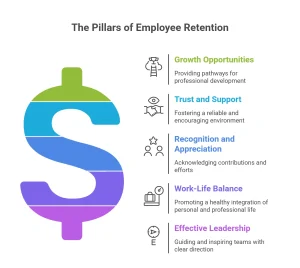
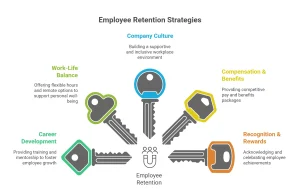
Top 5 Employee Retention Strategies for 2026
The year ahead brings new expectations from employees. They want purpose, flexibility, support, and space to grow. These employee retention strategies help you deliver exactly that while also building trust, loyalty, and motivation among your workforce.
Invest in Employee Career Development
Help people grow, and they stay. Provide them with training, certifications, mentorship, and a clear understanding of where their career is headed. Your employees want to know you believe in their future. When they see a path forward, they choose to walk it with you.
Promote Work Life Balance
People want room to breathe. Offer flexible hours where possible. Allow remote options for roles that can support it. When employees take care of their lives, they bring stronger energy back to work. Balance builds loyalty faster than any fancy perk.
Build a Strong Company Culture
Culture is not a poster on a wall. It is how people feel every day. Build a place where voices are heard, teamwork is natural, and leadership stays supportive. A strong culture makes your employees feel safe and appreciated.
Offer Competitive Compensation and Benefits
Pay and offered benefits matter a lot. Your employees compare their packages to the market, and they want to feel valued. Offer packages that reflect the work they do and the value they bring to your business.
Recognize and Reward Employee Contributions
Acknowledgment keeps people going. Celebrate their achievements. Appreciate your team publicly. Share credit where credit is due. A simple thank you at the right time can change how someone feels about their entire week.
Practical Tips to Implement These Strategies
Start small if needed. Hold monthly check-ins focused on growth. Introduce mentorship programs. Build flexibility into policies where possible. Collect feedback and act on it quickly. When your team sees you follow through, they trust you more.
Real World Employee Retention Examples
Examples make every strategy easier to apply. Here are employee retention examples that prove how powerful the right approach can be.
Case Study: How Google Retains Top Talent
Google creates a workplace where employees feel challenged, supported, and appreciated. Their teams get career support, benefits that matter, and a culture that encourages innovation. They invest in people first, which keeps their talent committed.
Example: Small Business Retention Success Story
A small tech startup in the UAE built loyalty by focusing on growth rather than perks. They provided targeted training, flexible schedules, and weekly feedback sessions. Their turnover dropped significantly because employees felt seen and supported.
Lessons Learned from High Retention Companies
Companies with strong retention invest in people. They listen, act, adjust, and evolve. They give employees ownership of their roles. They communicate clearly and regularly. Their energy is consistent, and their internal culture reflects it.
Factors Affecting Employee Retention
Retention goes beyond pay and perks. Many moving pieces shape the experience your employees have every day.
Leadership Style and Management Support
Leadership sets the tone. When managers guide instead of micromanaging, teams feel empowered. Supportive leaders build confidence and trust that lasts.
Career Progression Opportunities
People stay where they grow. Career movement, training, and promotions motivate employees to invest in your company long term.
Workplace Flexibility and Remote Options
Modern workplaces thrive when employees have room to structure their work in a way that fits their lives. Flexibility attracts talent and strengthens satisfaction.
Conclusion
Build a workplace where people feel valued, supported, and excited about their future. A strong focus on growth, balance, culture, recognition, and Emiratisation will help you succeed in your goals for employee retention in 2026. When your company invests in national talent development alongside inclusive people practices, retention rates improve naturally. Strong teams carry your business forward—and when your people choose to stay, everything else becomes easier.
FAQs
What is employee retention, and why is it important?
Employee retention refers to your ability to keep employees long-term. It matters because stable teams deliver better performance, stronger culture, and smoother operations.
What is a good employee retention rate?
A good retention rate depends on your industry and team structure. Ideally, your teams stay long enough to grow, contribute meaningfully, and feel invested in your organisation.
How do you improve employee retention quickly?
Start with feedback. Understand what your employees want. Improve communication. Recognise their work. Offer flexibility when possible and provide growth opportunities.
What are some examples of employee retention programs?
Growth programs, wellness initiatives, recognition programs, flexible work policies, and regular check-ins all contribute to strong retention.
How often should companies review their retention strategies?
Review your strategies at least quarterly. Employee expectations shift, and your approach should adapt to match their needs.